This Symposium explores recent advances in active flux and other high order accurate numerical methods for conservation laws, honoring the legacy of Phil Roe.
We bring together leading experts in computational fluid dynamics, numerical analysis, and related fields to examine foundational ideas, emerging developments, and future directions. The program will feature invited presentations, discussions, and opportunities for exchange across the computational science community.
The Symposium will also recognize the contributions of Bram van Leer to Active Flux and high order methods and mark the 30th anniversary of the Godunov Symposium, which was also held in Ann Arbor.
The symposium is sponsored by the Michigan Institute for Computational Discovery and Engineering (MICDE), the University of Michigan Aerospace Engineering Department, Los Alamos National Laboratory/Michigan SPARC, and the Air Force Office of Scientific Research (AFOSR) Computational Mathematics Program.
Dates
May 17–19, 2027
Location
University of Michigan, Ann Arbor
Symposium committee
Karthik Duraisamy
Arthur B. Modine Professor of Engineering; Samir and Puja Kaul Director of MICDE, University of Michigan
Christian Klingenberg
Professor, Department of Mathematics, University of Würzburg
Krzysztof J. Fidkowski
Professor of Aerospace Engineering, University of Michigan
From Godunov to Active Flux
Modern computational fluid dynamics emerged from mid-twentieth-century efforts to use digital computation to solve the equations governing fluid flow. In the 1940s, John von Neumann pioneered finite-difference approaches for simulating compressible flow, using artificial viscosity to stabilize shock waves. More than a decade later, in 1959, Sergei Godunov introduced a different approach: a finite-volume method for conservation laws that used local wave solutions to determine how information passes between neighboring cells. Beginning in the late 1970s, work by Phil Roe and others made these methods practical and accurate via approximate Riemann solvers. Eitan Tadmor’s work around 1990 provided a way to view Godunov-type methods as a central numerical flux combined with carefully designed diffusion. These advances made it possible to achieve stable, high-resolution calculations, but several gaps still remained. One example is that multidimensional flow was still commonly treated through a sequence of essentially one-dimensional interface problems.
In 2011, Phil Roe developed Active Flux as a new response to that remaining challenge. A key conceptual precursor was Bram van Leer’s 1977 Scheme V, which introduced a continuous piecewise-quadratic reconstruction for one-dimensional advection. Active Flux uses adaptive multidimensional diffusion to stabilize wave propagation directly in multiple dimensions rather than relying solely on one-dimensional approximations at cell interfaces. By combining cell averages with point values along cell boundaries, Active Flux offers a promising high order framework for resolving multidimensional wave behavior, preserving important mathematical and physical structures, accommodating unstructured meshes, and achieving strong accuracy on relatively coarse grids.
This symposium will celebrate that legacy while bringing together leading researchers to examine the foundations, current advances, open challenges, and future possibilities of Active Flux and other high-order approaches for conservation laws. It will also mark the 30th anniversary of the Godunov Symposium, organized by Bram van Leer at the University of Michigan.
Awards for Researchers in Active Flux Methods
Later in life, Phil Roe dedicated himself to developing the Active Flux method, and he wanted future generations of researchers to continue his work. In support of this, we are pleased to announce a call for nominations for two awards for Active Flux researchers. Established by Phil’s wife, Jacqui, these will be presented at the symposium.
Submissions are open in two categories.
Philip Roe Award for Outstanding Student Research in Active Flux Techniques
For current Ph.D. students or those with a graduation date at any point during 2026.
$2,500 cash prize + symposium travel costs
Philip Roe Early Career Achievement Award in Active Flux Techniques
For researchers under the age of 40.
$5,000 cash prize + symposium travel costs
Please send your nomination letter (1–2 pages) and CV to one of the symposium organizers by December 31, 2026.
Karthik Duraisamy — [email protected]
Christian Klingenberg — [email protected]
Krzysztof J. Fidkowski — [email protected]
Confirmed Speakers
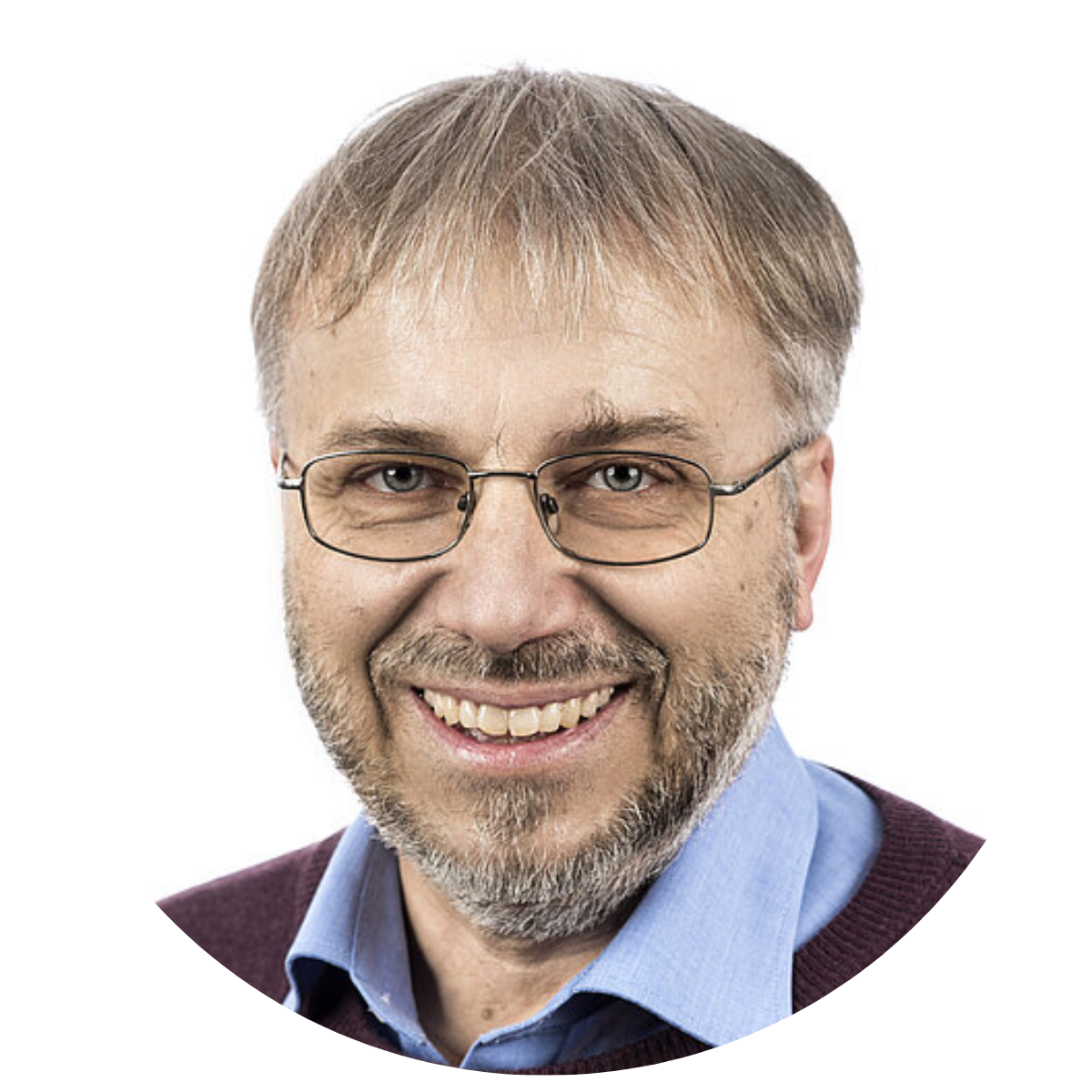
Christian Klingenberg
Professor of Mathematics, University of Würzburg, Germany
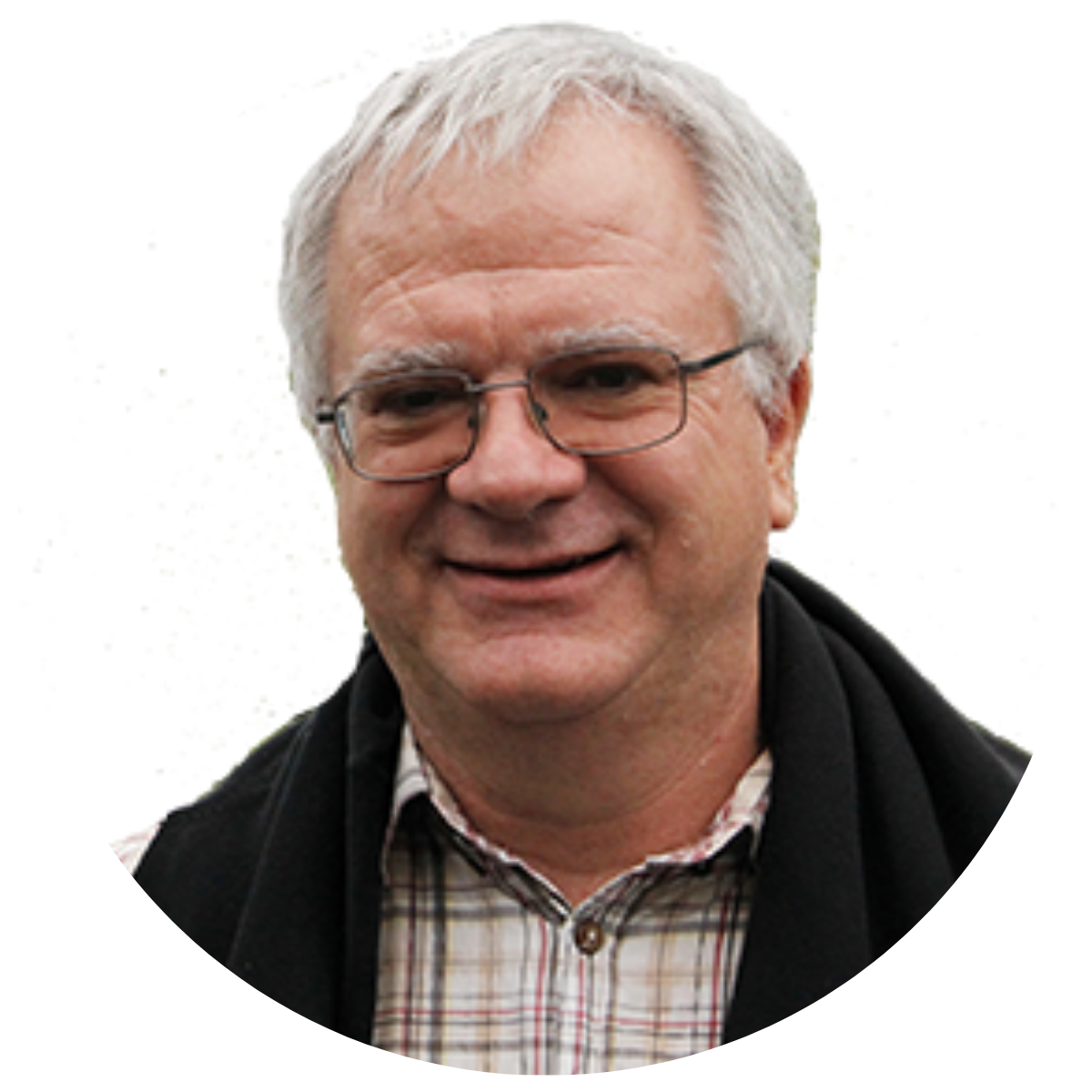
Rémi Abgrall
Professor of Mathematics, University of Zurich, Switzerland
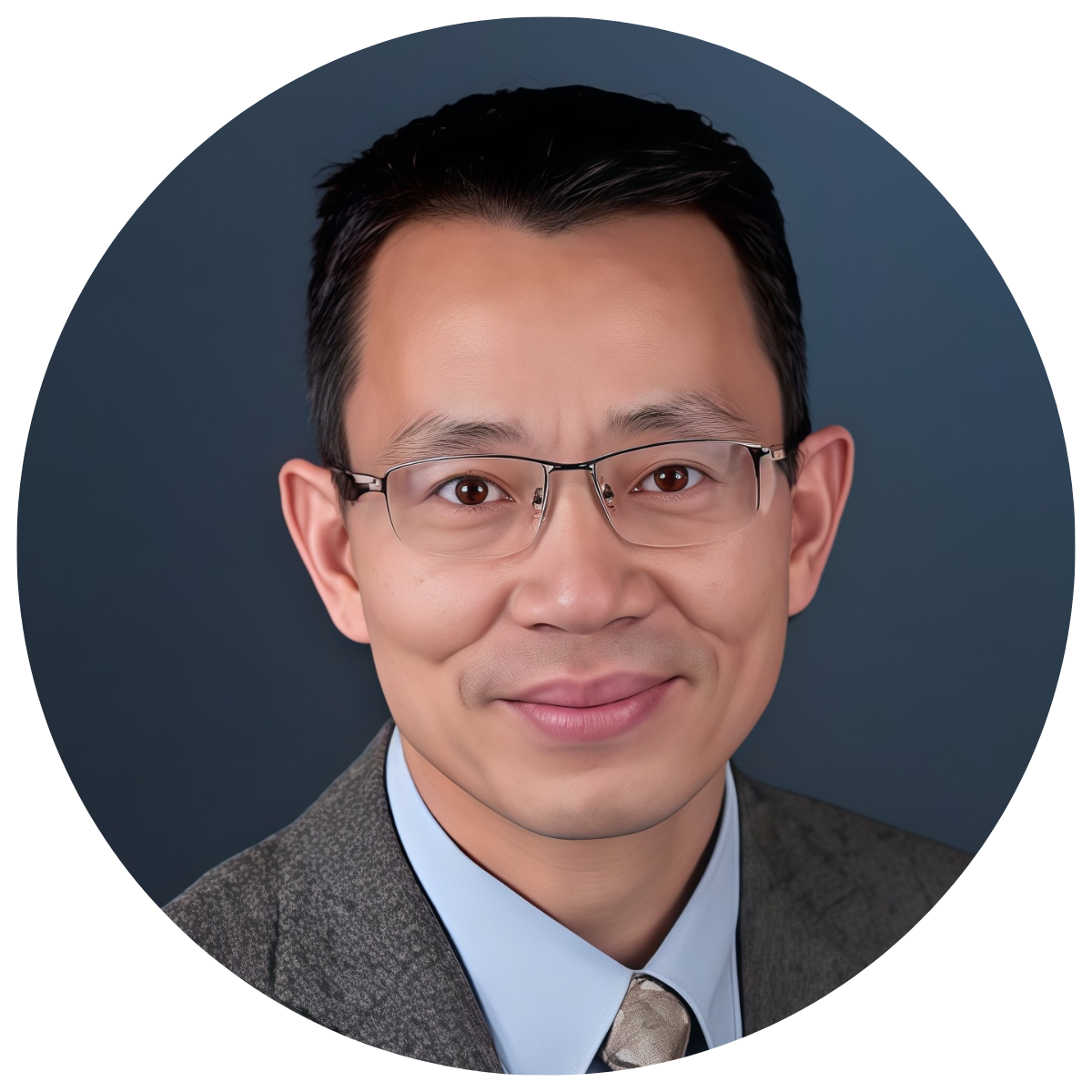
ZJ Wang
Spahr Professor of Aerospace Engineering, University of Kansas
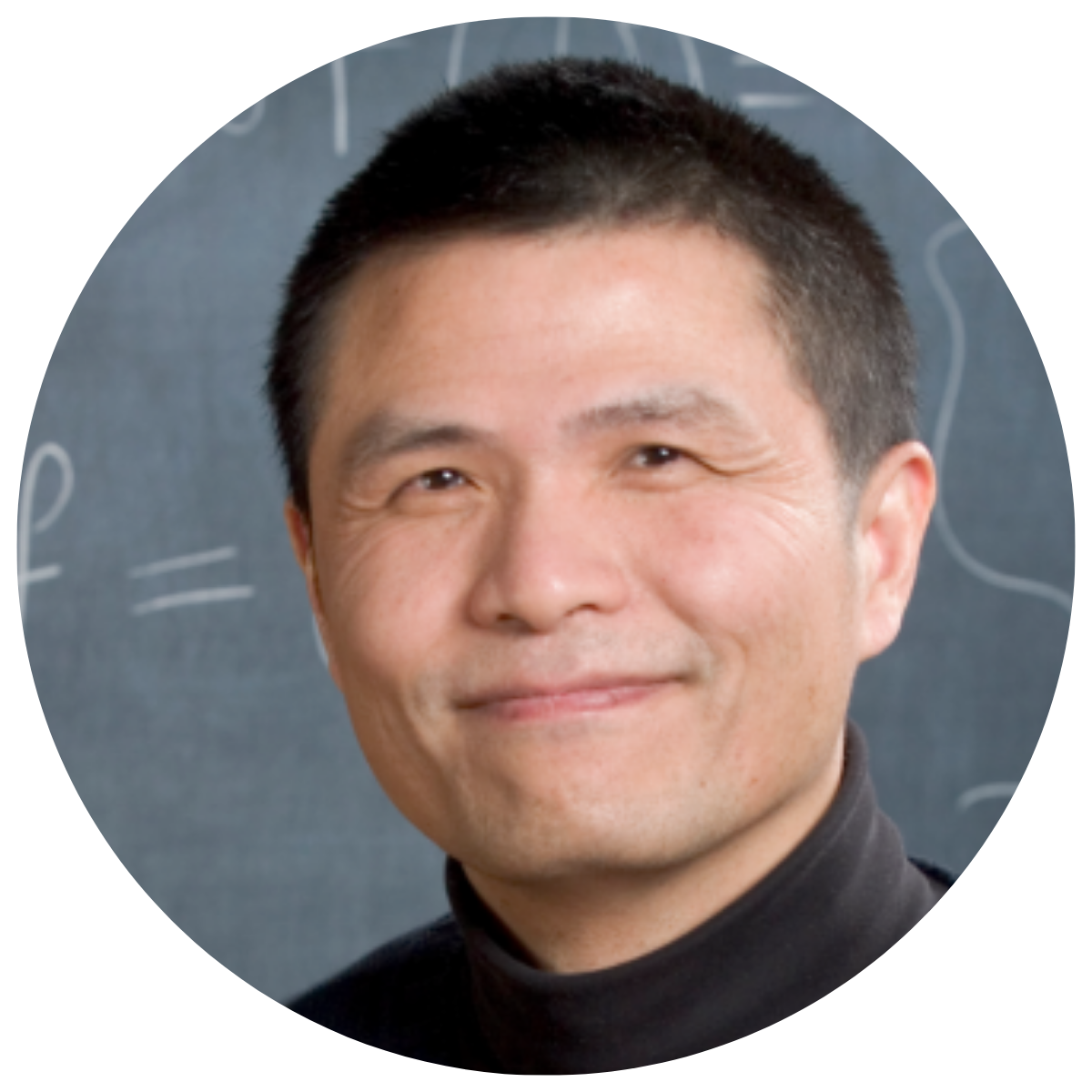
Chi-Wang Shu
Theodore B. Stowell University Professor of Applied Mathematics, Brown University
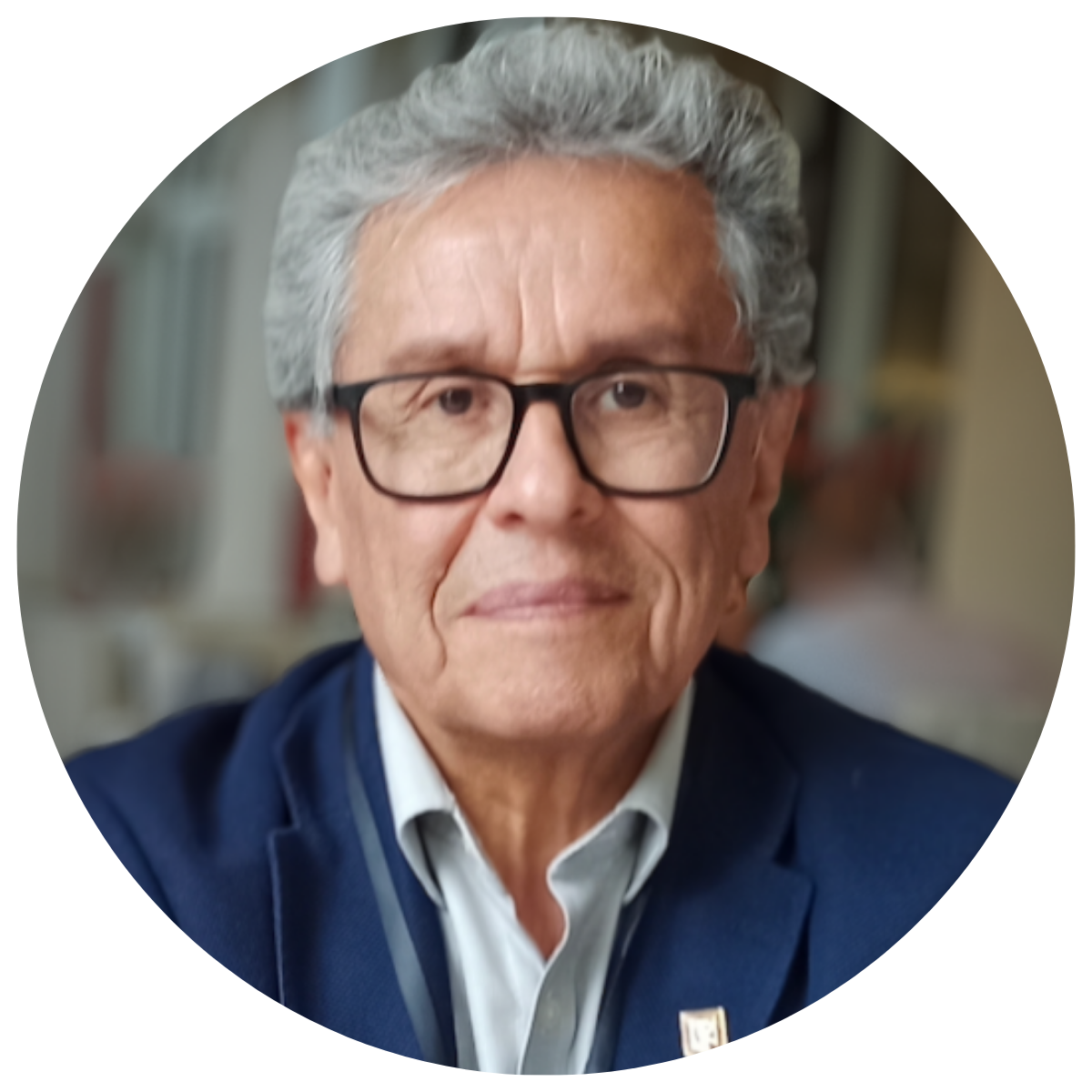
Eleuterio Toro
Professor Emeritus, Mathematics, University of Trento, Italy
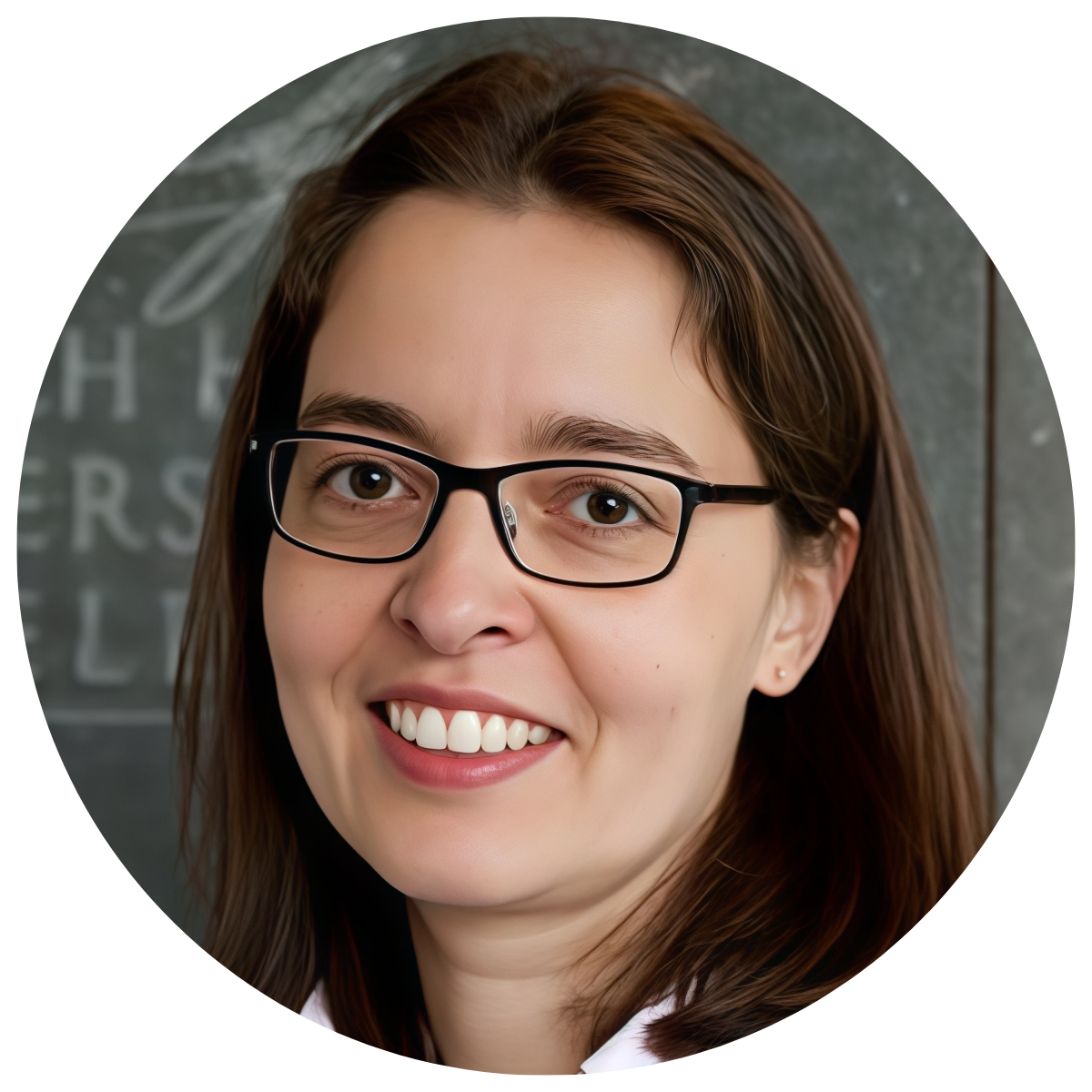
Christiane Helzel
Professor of Applied Mathematics, Heinrich Heine University Düsseldorf, Germany
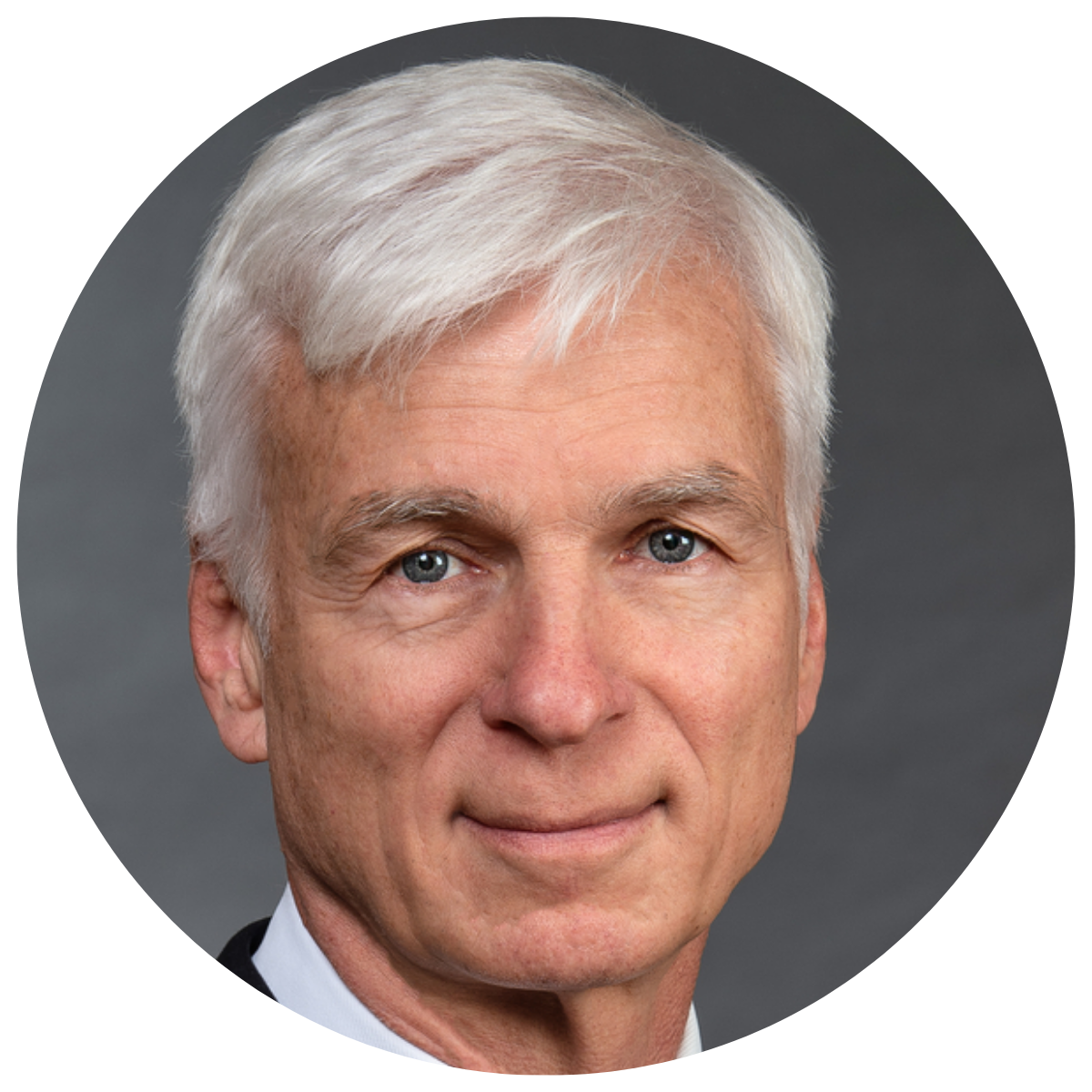
David Zingg
Distinguished Professor of Computational Aerodynamics and Sustainable Aviation, University of Toronto Institute for Aerospace Studies, Canada
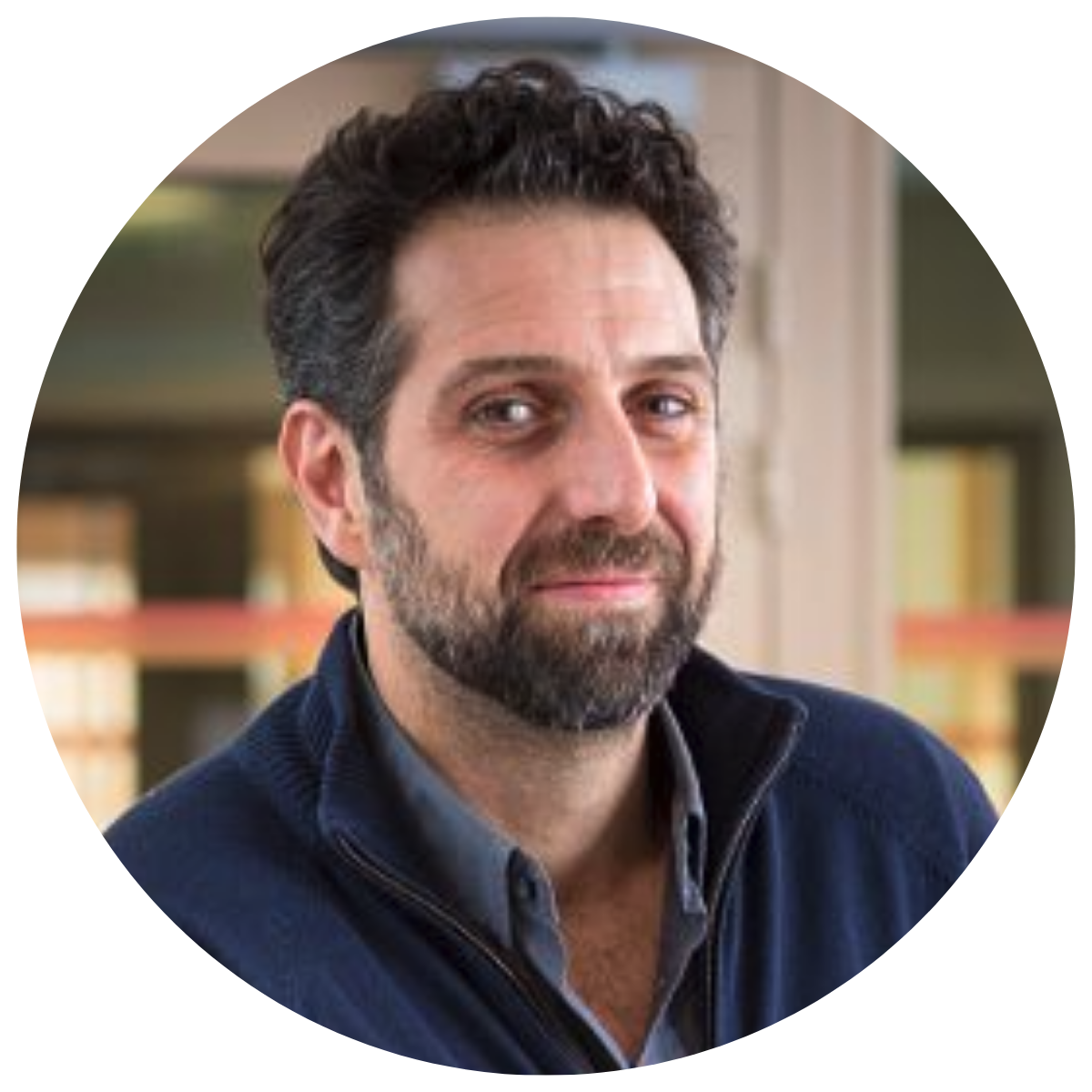
Mario Ricchiuto
Senior Research Scientist and Team Leader, CARDAMOM, Inria Centre at the University of Bordeaux, France
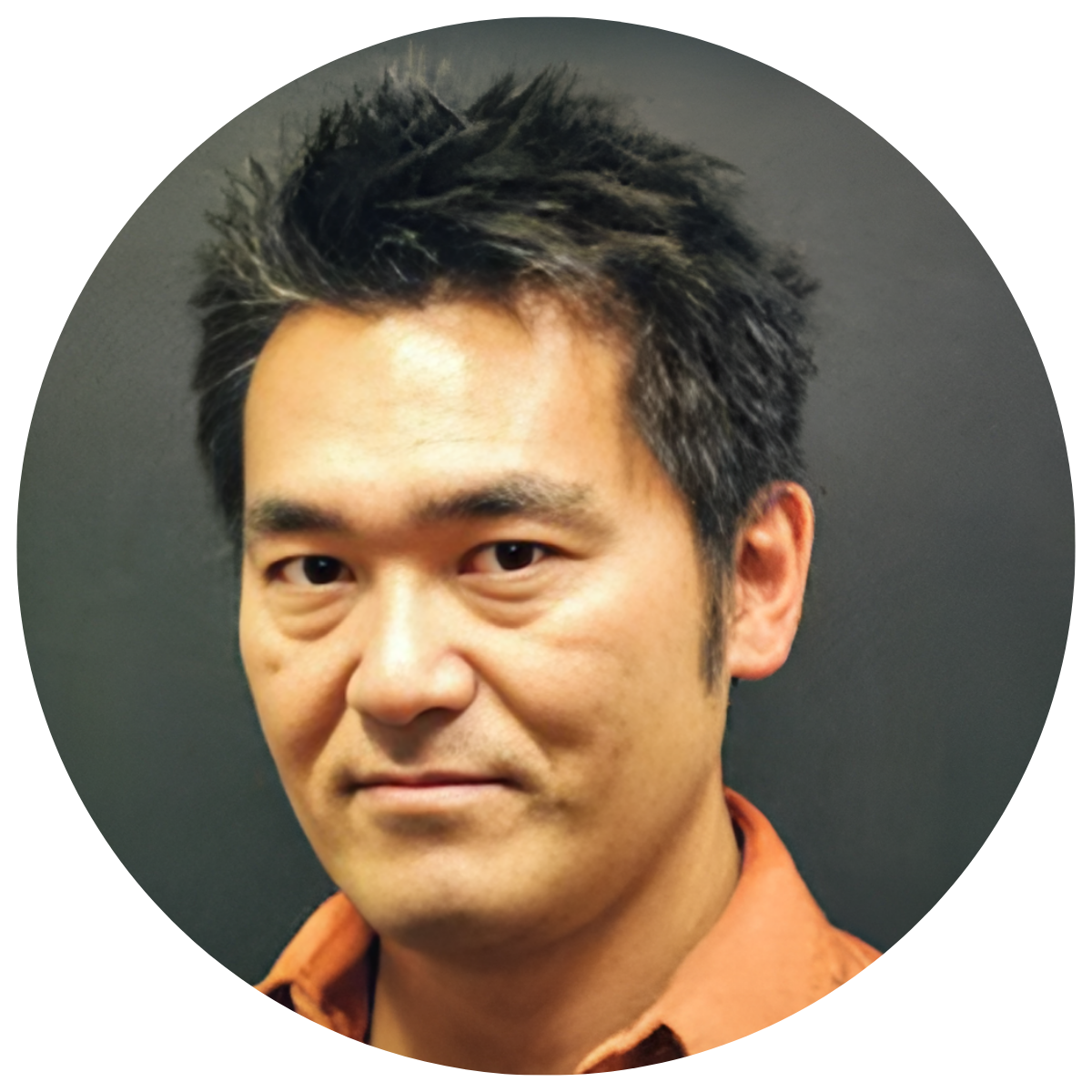
Hiroaki Nishikawa
Research Fellow, National Institute of Aerospace, NASA Langley Research Center
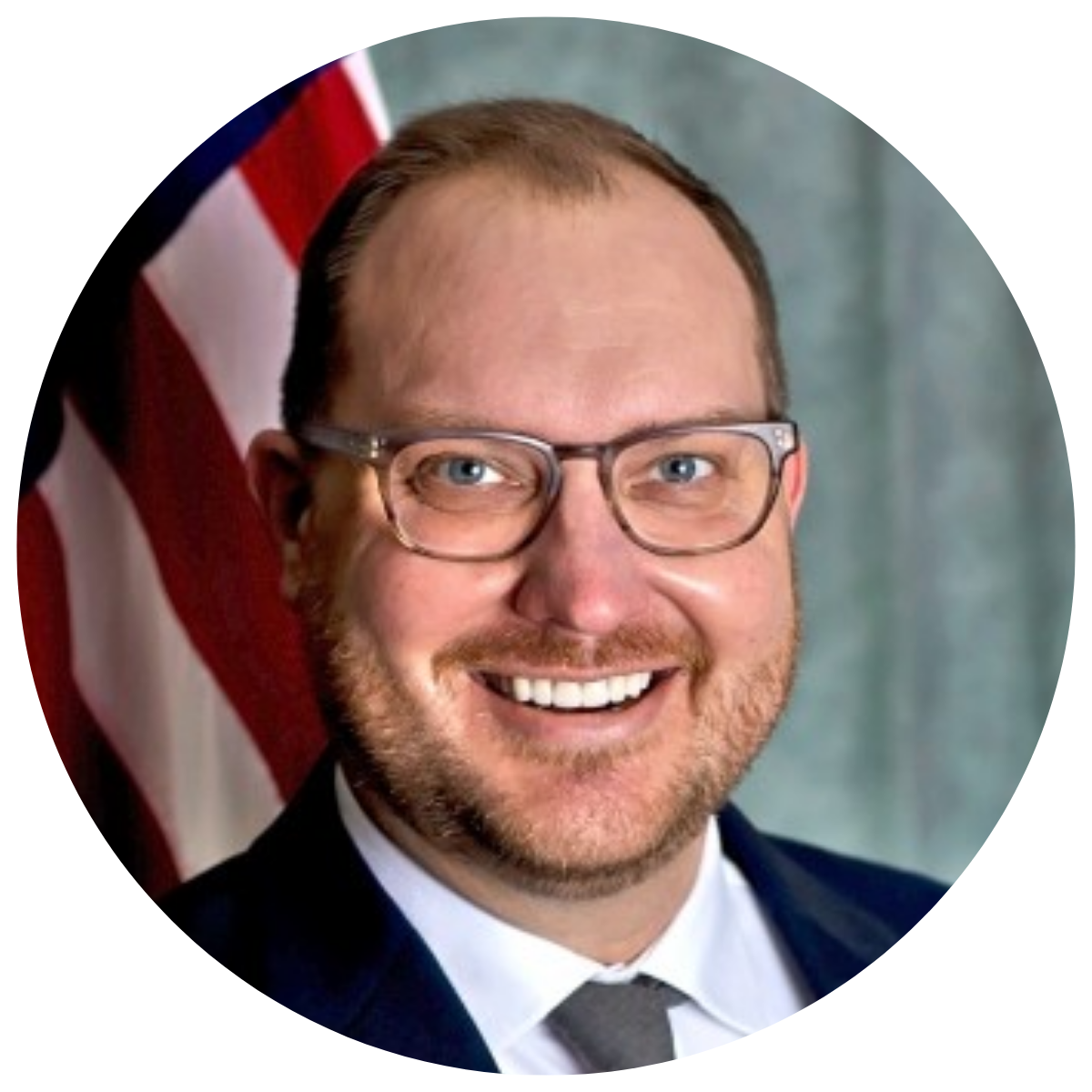
Timothy Eymann
Technical Advisor, High Speed Systems Vehicle Technology Branch, United States Air Force
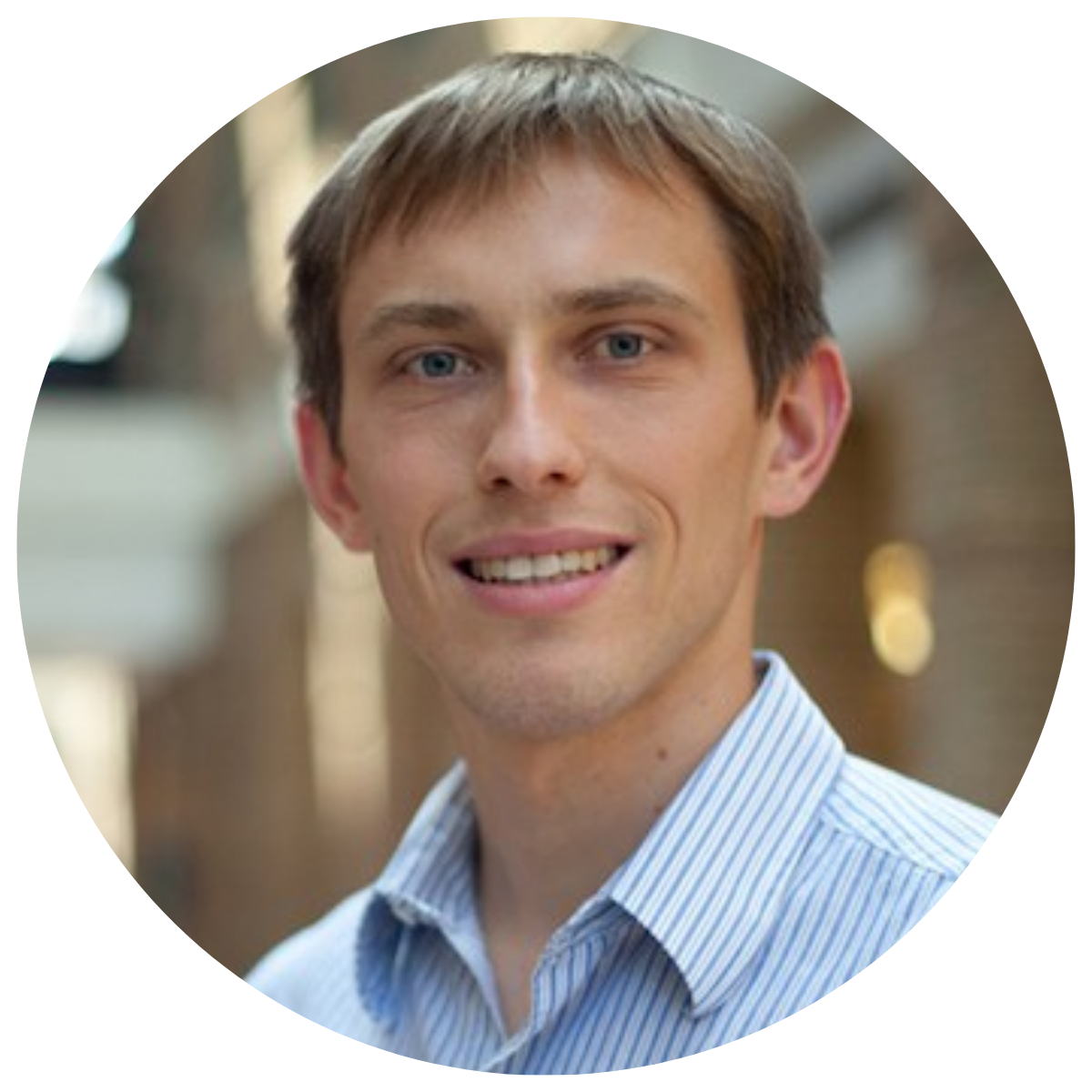
Krzysztof J. Fidkowski
Professor of Aerospace Engineering, University of Michigan
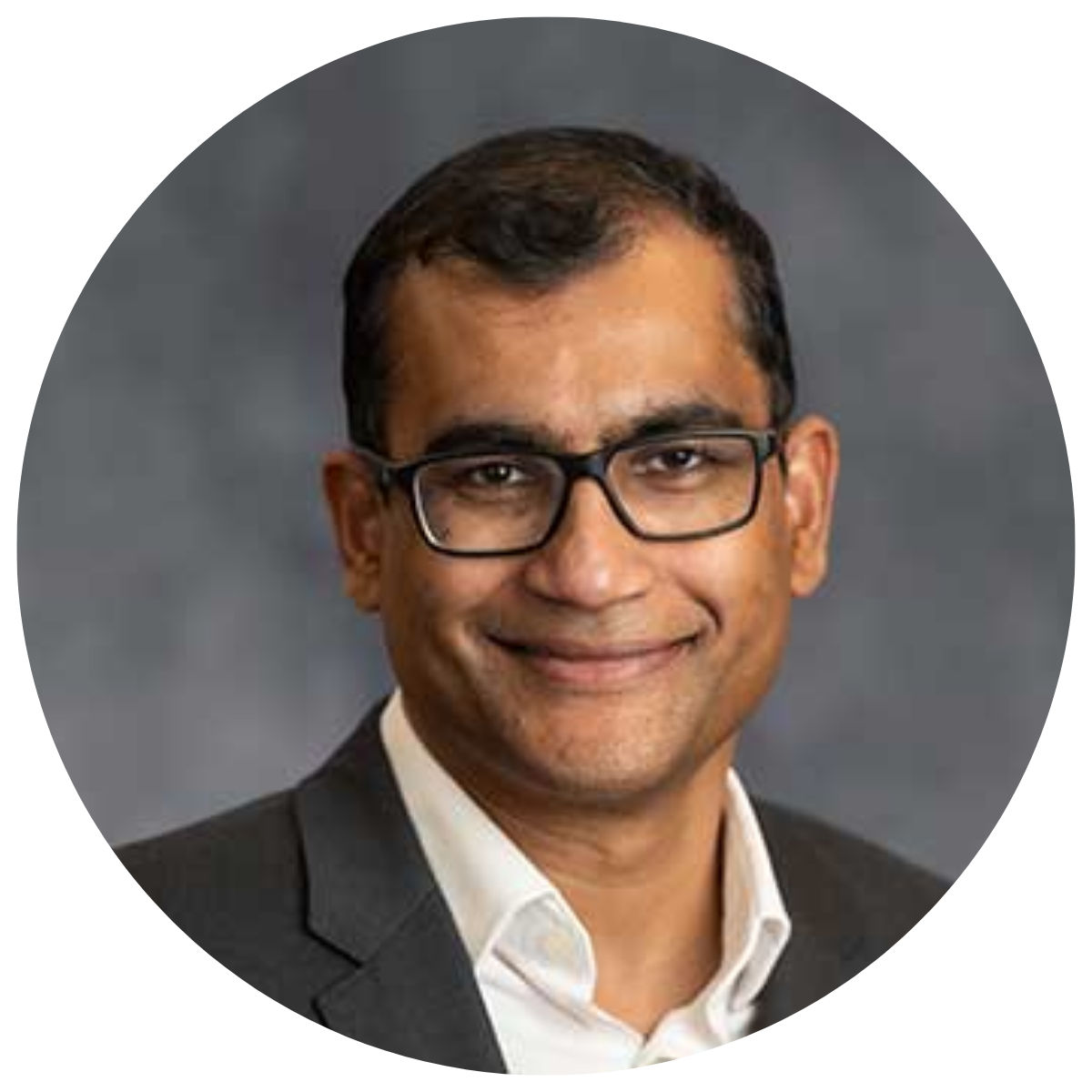
Karthik Duraisamy
Arthur B. Modine Professor of Engineering; Samir and Puja Kaul Director of MICDE, University of Michigan
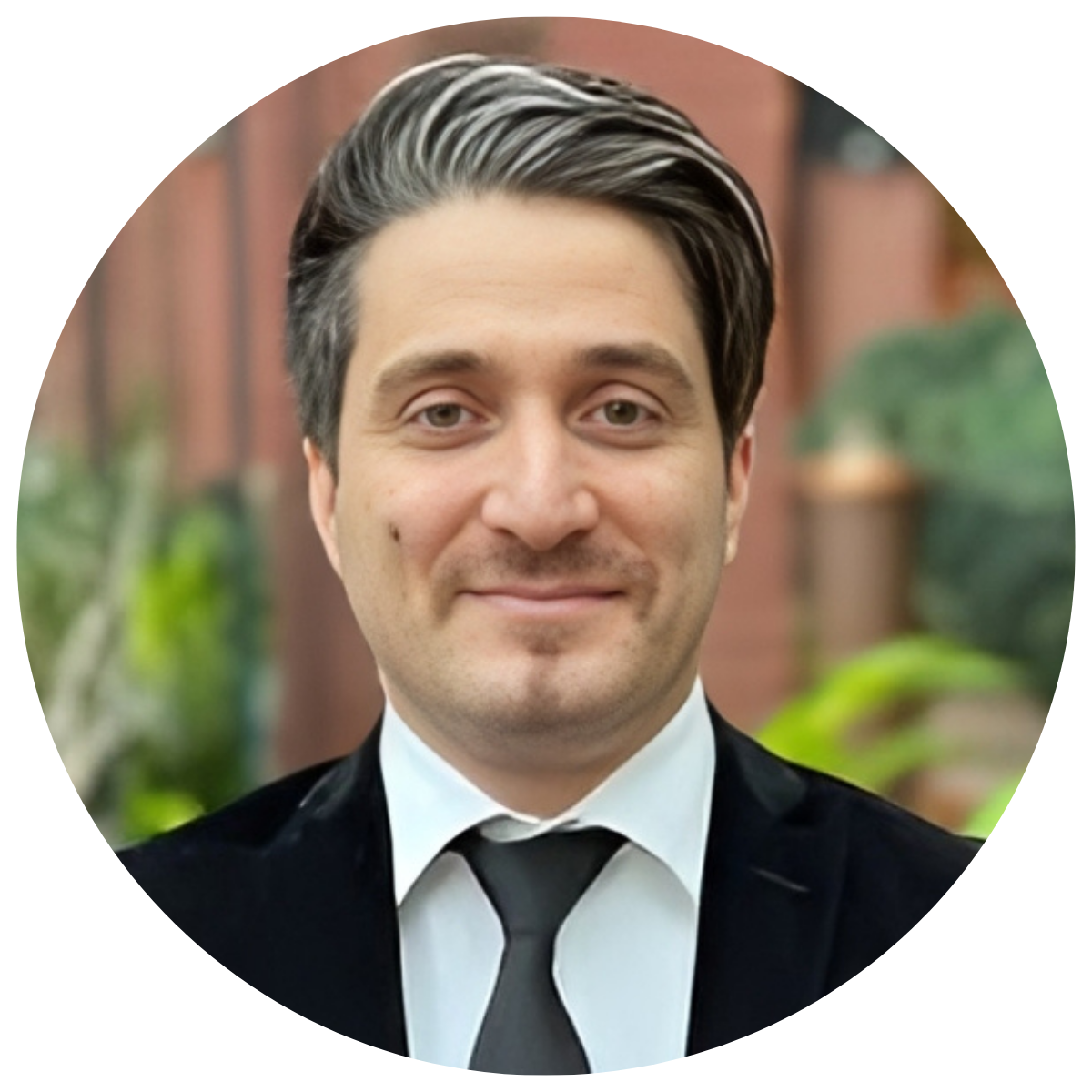
Iman Samani
Senior Software Engineer, NVIDIA
More speakers to be confirmed.
Program
The detailed three-day program, including invited talks and discussion sessions, will be published here as it is finalized.
Coming soon