
The 2026 MICDE Predictive Science Symposium will center around predictive science. Fueled by advances in artificial intelligence and high-performance computing, predictive science is poised to evolve dramatically over the next few years. Featuring presentations and panel discussions from leading voices across academia, national laboratories, industry, and the government, the symposium will bring together researchers in high-performance computing, verification and validation, uncertainty quantification, and artificial intelligence to discuss the state of the field of predictive science and its future outlook.
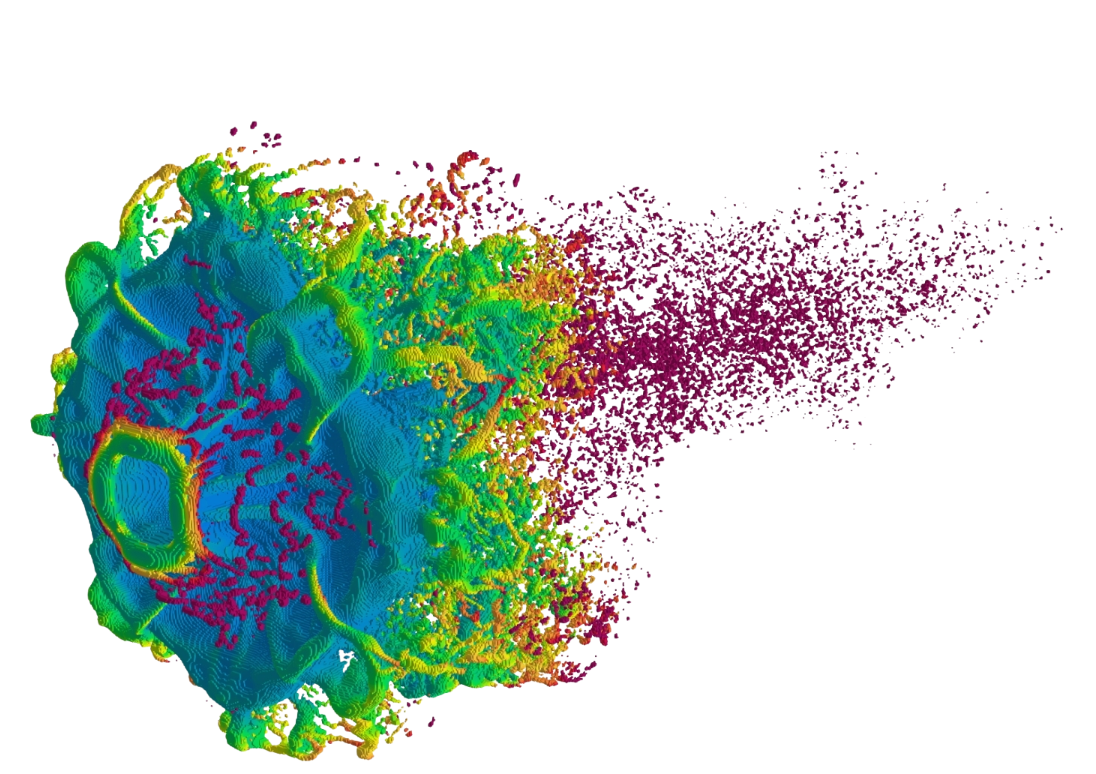
To learn more about predictive science research at the University of Michigan, please visit the C-PRIME website.
Registration for the 2026 Predictive Science Symposium is closed. Walk-in registrations may be possible, but space in the Forum Hall may not be guaranteed; in that case, you will be directed to the Great Lakes room for viewing.
There is a $100 registration fee for non-U-M participants. To pay the registration fee, please go to the University of Michigan’s secure payment site: Shared Services payment site. Please make sure that you put MICDE 2026 in the invoice number field, as that is the symposium’s unique identifier. Please read the step-by-step payment guide for more information.
Program Committee:
Program Committee Chair: Venkat Raman, Professor of Aerospace Engineering and Director of the C-PRIME Center
Eric Johnsen, Professor, Mechanical Engineering and Co-Director of the C-PRIME Center
Vancho Kocevski, Managing Director of MICDE
Karthik Duraisamy, Professor of Aerospace Engineering and Samir and Puja Kaul Director of MICDE
Invited Speakers & Panelists
The 2026 Predictive Science Symposium brings together a distinguished group of speakers from national laboratories and research institutions who lead key programs in AI innovation, uncertainty quantification, high-performance computing, and national security applications. By gathering these influential voices in one forum, the symposium offers a unique opportunity to learn more about predictive science and how it accelerates discovery and provides solutions to real-world problems. The insights shared by these speakers will help define the trajectory of predictive science.
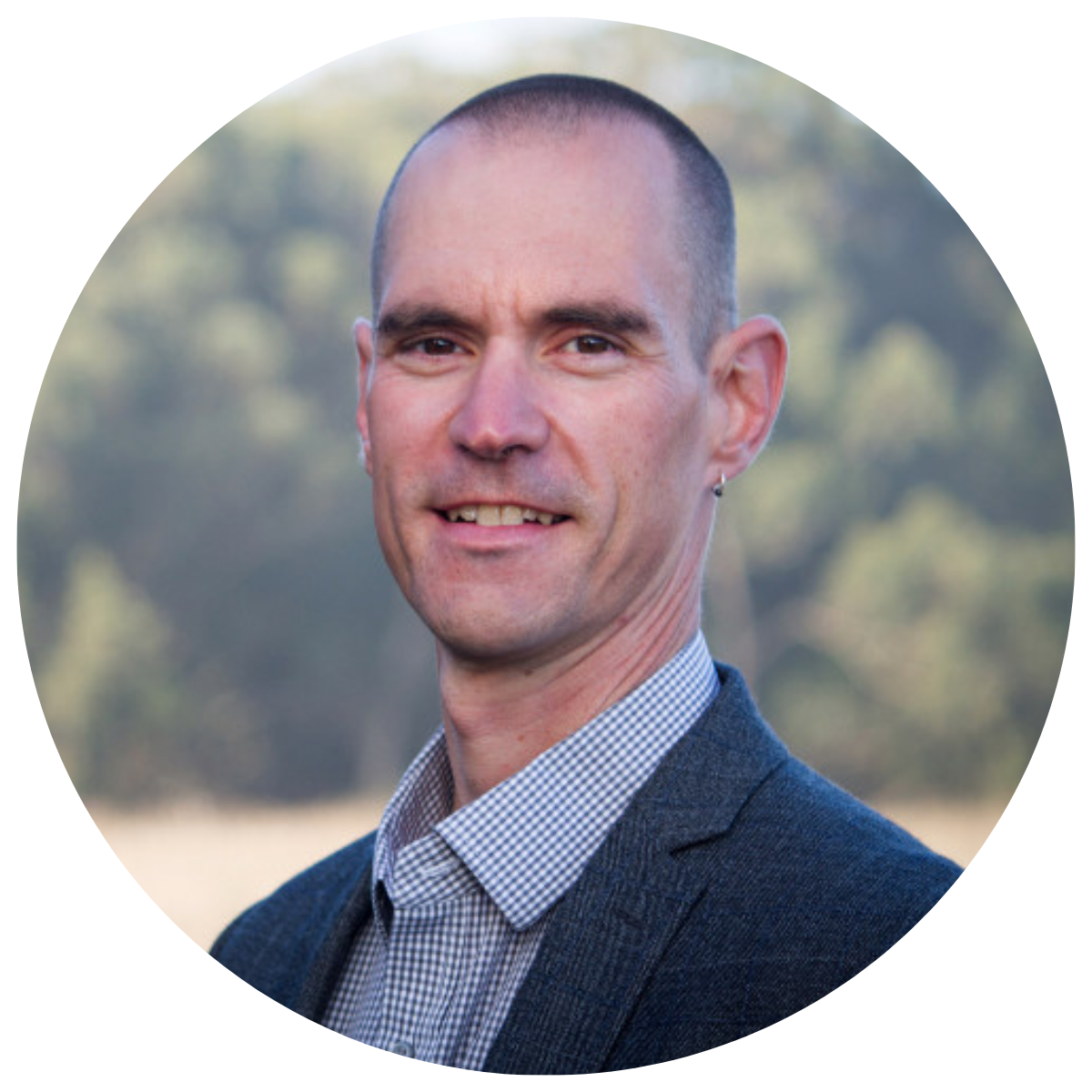
Brian Spears
Technical Director, DOE Genesis Mission and Director, AI Innovation Incubator
Lawrence Livermore National Laboratory
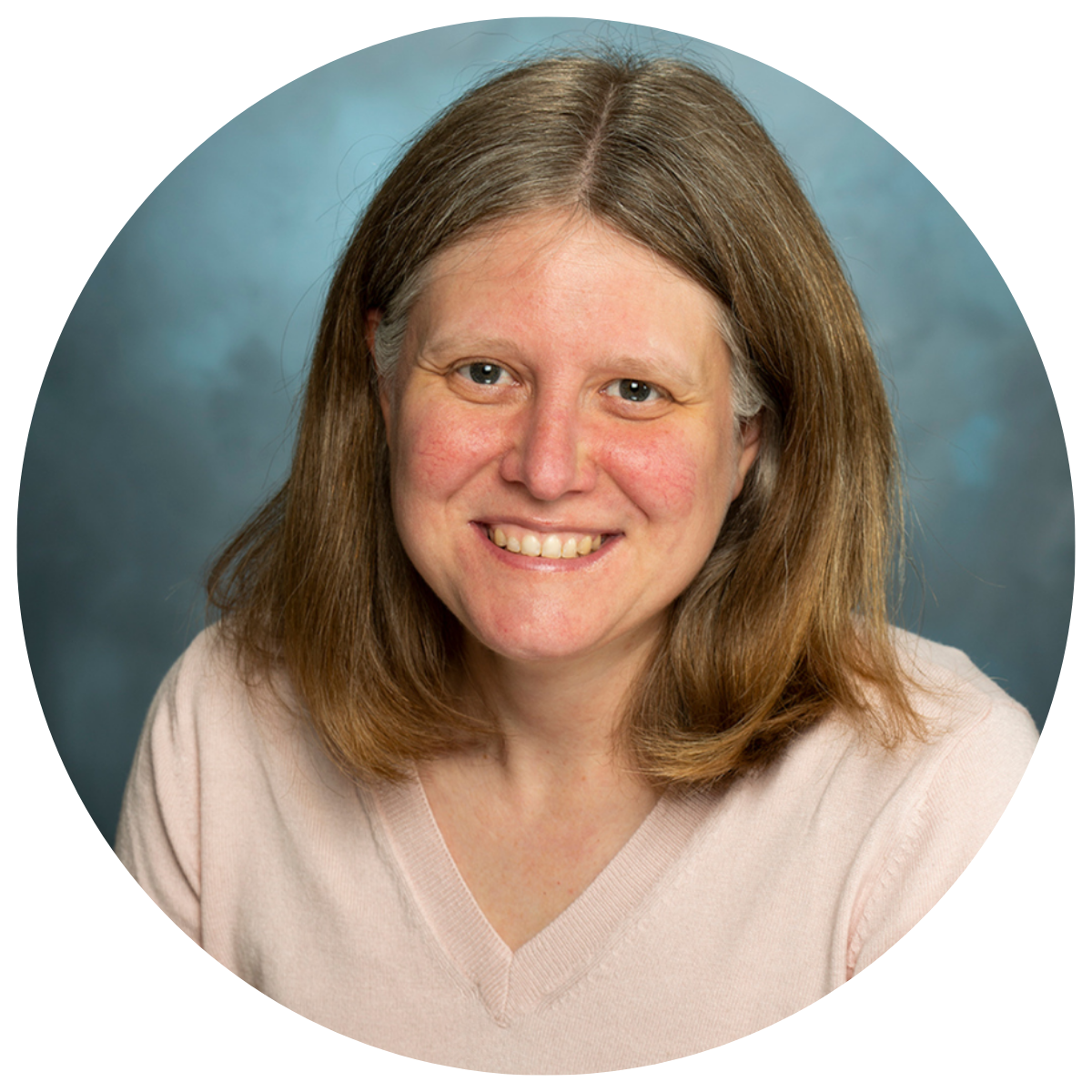
Teresa Bailey
Associate Program Director
Lawrence Livermore National Laboratory
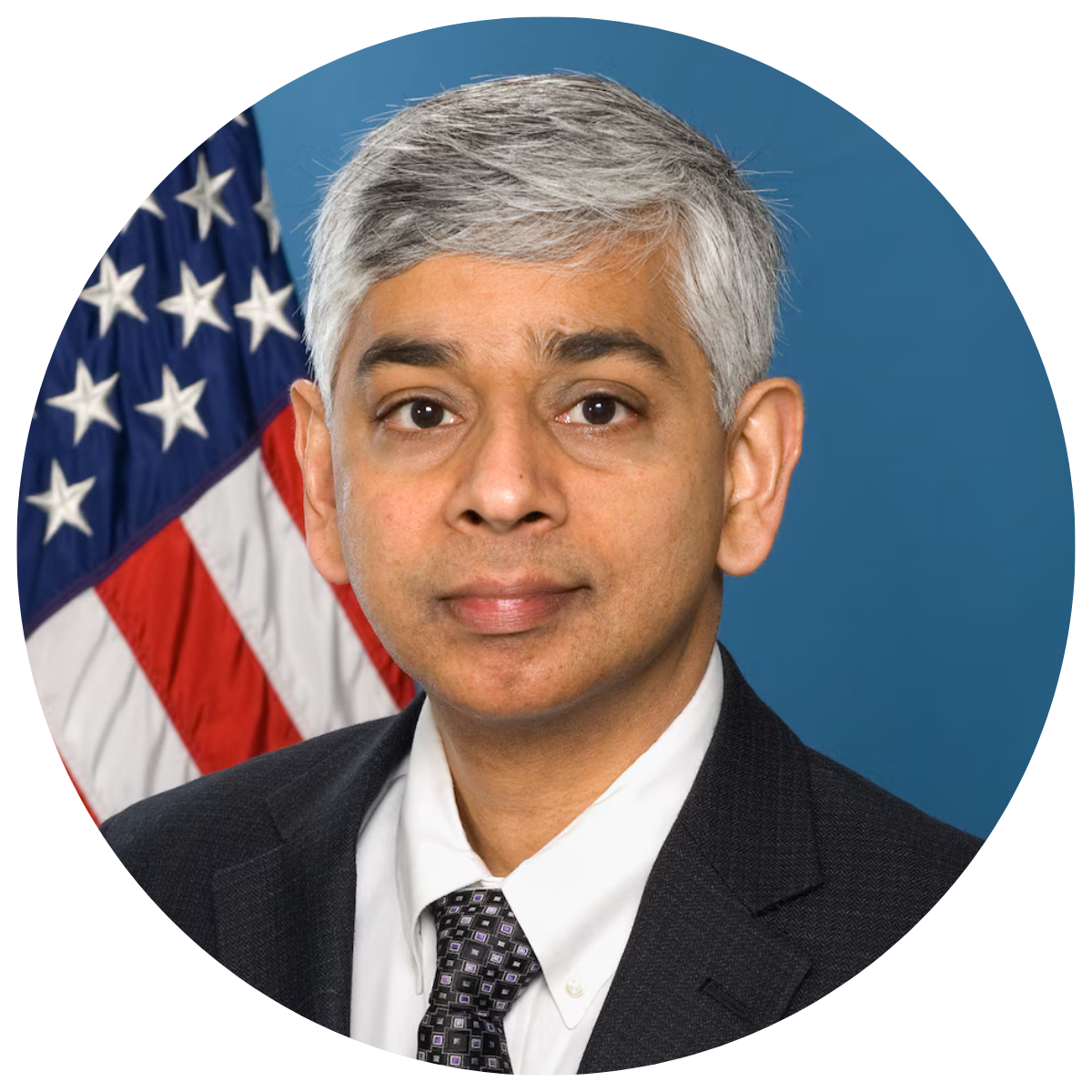
Venke Sankaran
Chief Scientist
Aerospace Systems Directorate, Air Force Research Laboratory
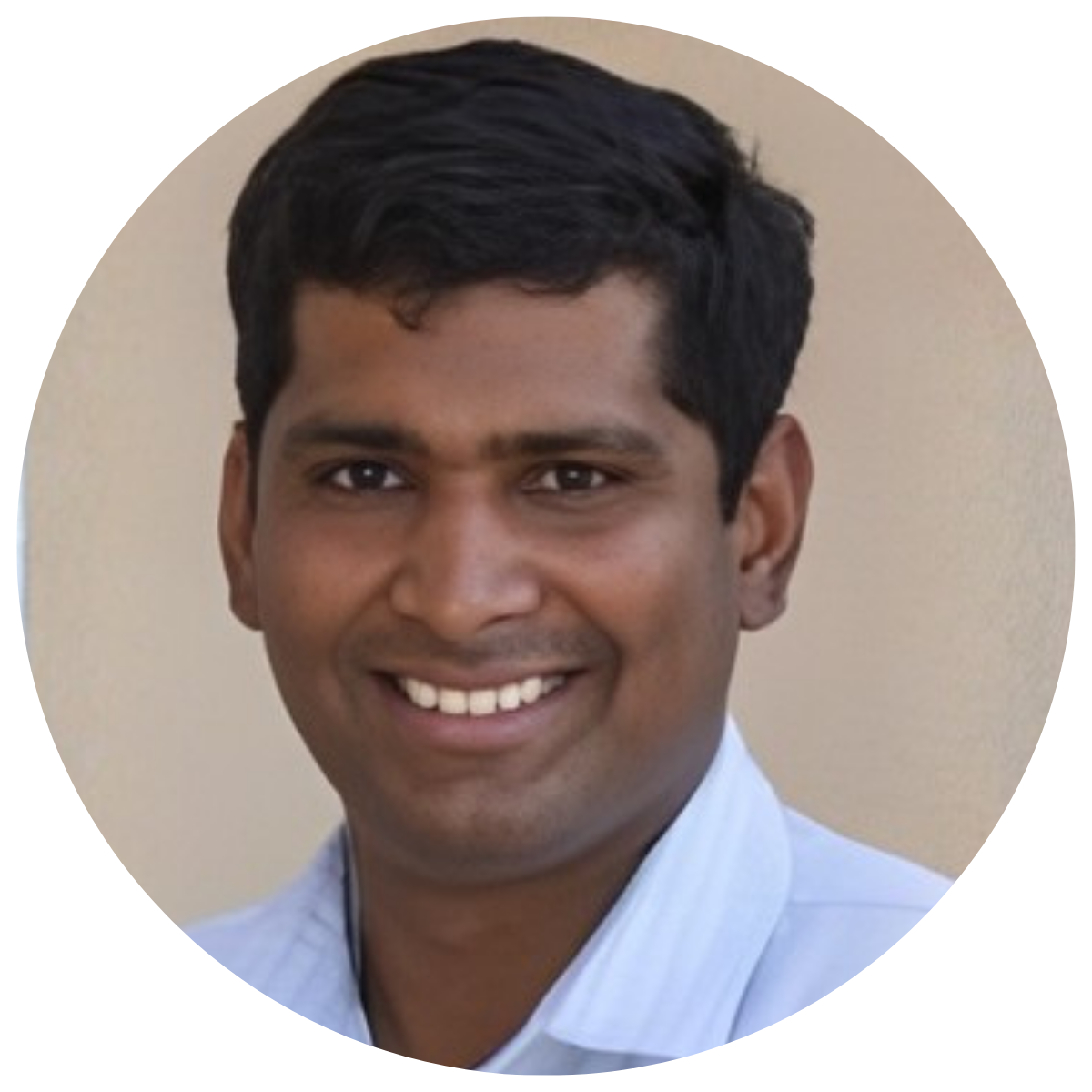
Sivasankaran Rajamanickam
Distinguished Member of the Technical Staff
Sandia National Laboratories
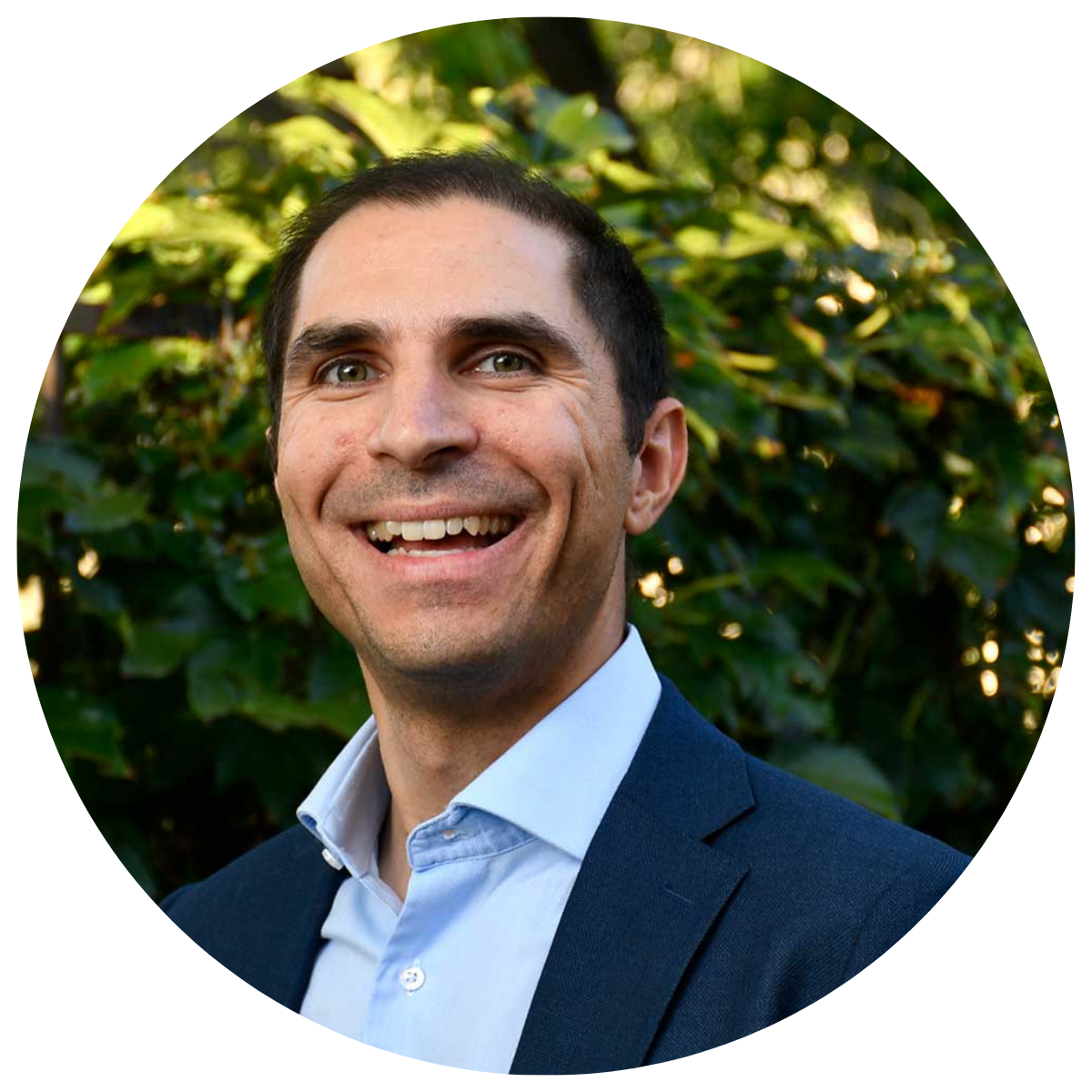
Gianluca Geraci
Principal Member of the Technical Staff
Sandia National Laboratories
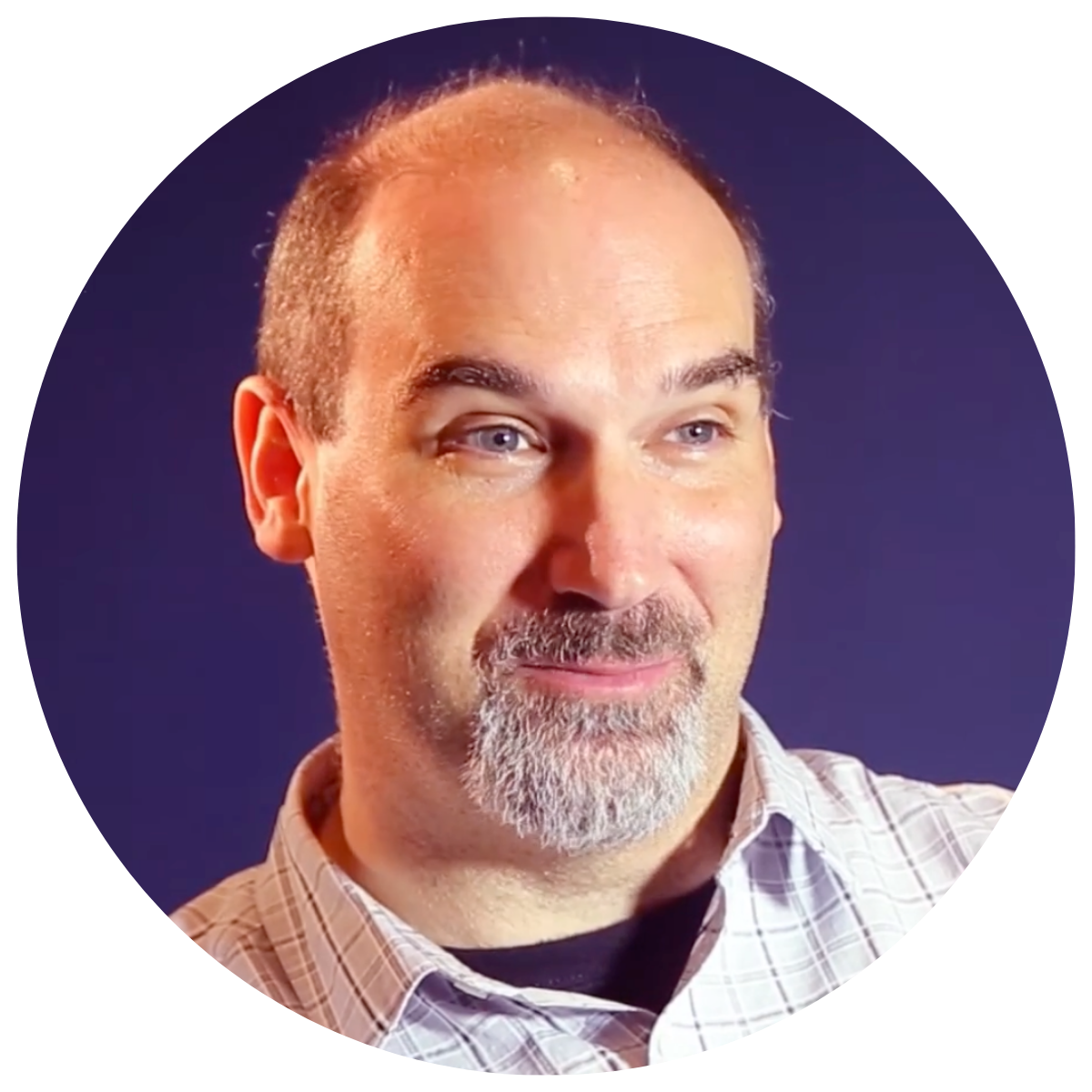
Timothy C. Germann
Senior Scientist
Los Alamos National Laboratory
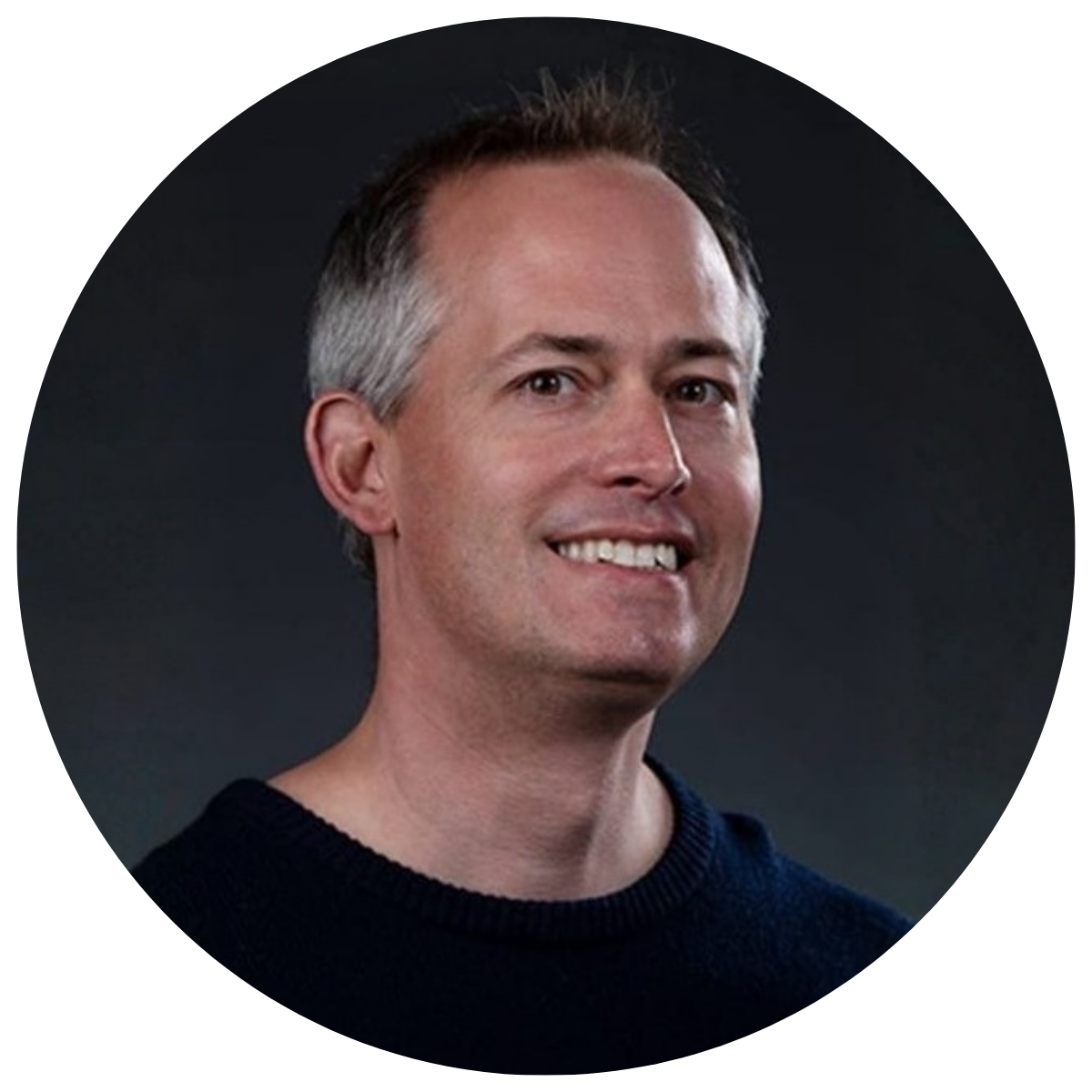
Earl Lawrence
Chief Scientist,
National Security AI Office, Los Alamos National Laboratory
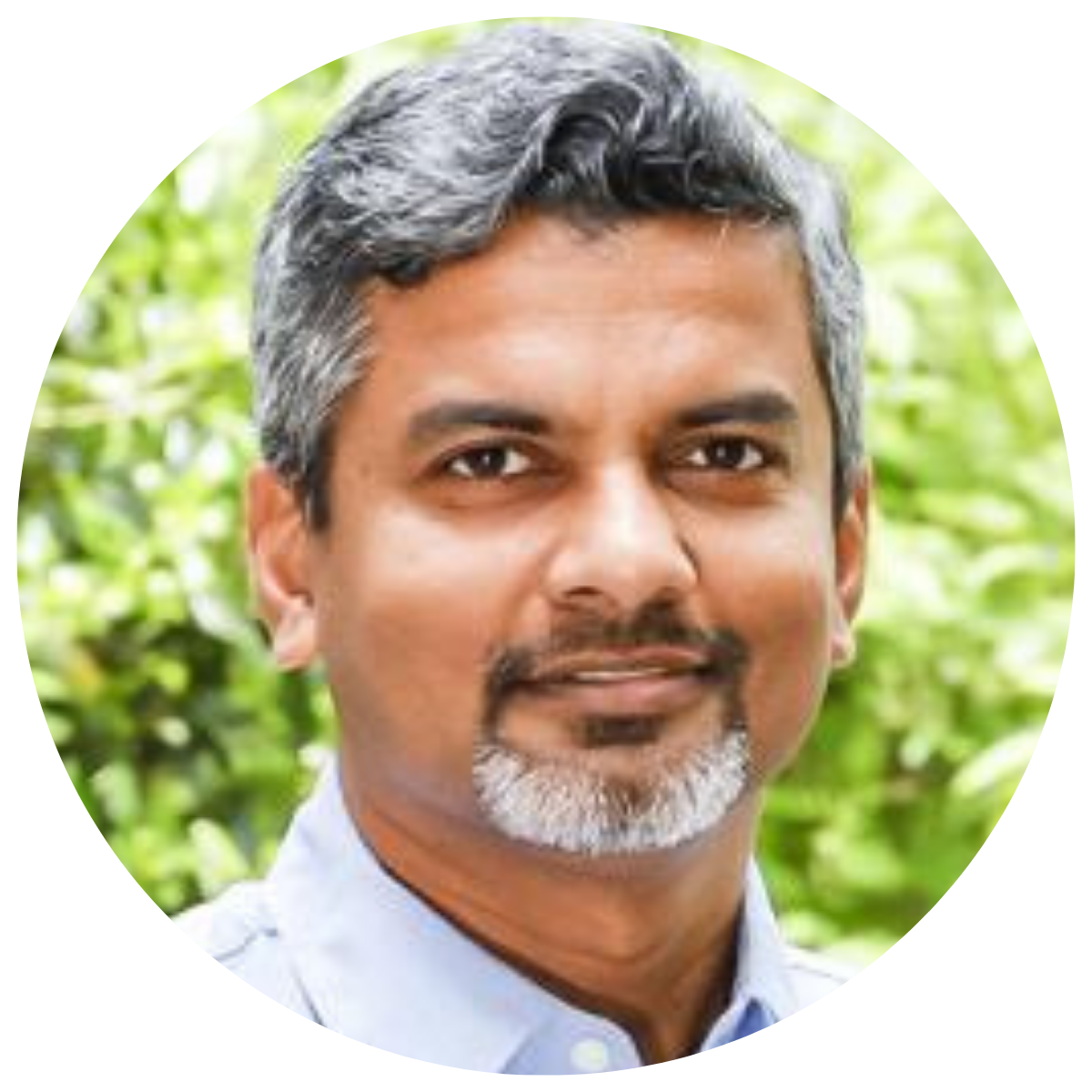
Ramanan Sankaran
Distinguished Staff and Group Leader, Oak Ridge National Laboratory
Program
The first day will feature two sessions of invited presentations and panel discussions by national laboratory leaders.
On the second day, workshops will focus on the newly established PSAAP centers. Researchers from all nine centers will share their perspectives on topics relevant to predictive science.
| 8:45 AM | Introduction | Venkat Raman (UM) and Karthik Duraisamy (UM) |
| 9:15 AM | Sivasankaran Rajamanickam (SNL) | BANYAN – Generative AI for Science and Engineering |
| 9:45 AM | Venke Sankaran (AFRL) | AFRL Digital Perspectives |
| 10:15 AM | Earl Lawrence (LANL) | Some Advances in Foundation Models for Physics |
| 10:45 AM | Coffee Break | |
| 11:00 AM | Keynote: Brian Spears (LLNL) | Genesis Mission: Transforming US Science With AI |
| 11:45 AM | Panel Discussion | Brian Spears (LLNL), Sivasankaran Rajamanickam (SNL), Venke Sankaran (AFRL), Earl Lawrence (LANL), Karthik Duraisamy (UM) |
| 12:30 PM | Lunch Break | Lunch + Poster Session |
| 2:00 PM | Teresa Bailey (LLNL) | The Realities of Predictive Science |
| 2:30 PM | Timothy Germann (LANL) | Molecular Dynamics Simulations: Useful, yes. But Predictive? |
| 3:00 PM | Gianluca Geraci (SNL) | Uncertainty Quantification and Multi-Fidelity Approaches for Predictive Science |
| 3:30 PM | Coffee Break | |
| 3:45 PM | Ramanan Sankaran (ORNL) | Applications for Multiscale Flow Simulations and Foundation Models |
| 4:15 PM | Panel Discussion | Teresa Bailey (LLNL), Timothy Germann (LANL), Gianluca Geraci (SNL), Ramanan Sankaran (ORNL) |
| 5:00 PM | Poster Session |
| 8:30 AM | Introduction to PSAAP Sessions | Timothy Germann (LANL) and David Etim (NNSA) |
| 8:45 - 10:15 AM | Session on Uncertainty Quantification | Organizer: Sankaran Mahadevan (Vanderbilt) |
| Sankaran Mahadevan (Vanderbilt) | UQ in Extrapolation From Experiments to Prediction | |
| Youssef Marzouk (MIT) | Model Form Error in Multi-scale, Multi-physics Models | |
| Alex Gorodetsky (UM) | Multi-fidelity Modeling in UQ | |
| Panel Discussion | Xun Huan (UM), Anabel del Val (UMN), Alex Gorodetsky (UM), Youssef Marzouk (MIT), Sankaran Mahadevan (Vanderbilt) | |
| 10:15 AM | Coffee Break | |
| 10:30 AM - 12:00 PM | Session on Scalable Computing | Organizer: Spencer Bryngelson (GaTech) |
| Spencer Bryngelson (GaTech) | The ElCap Ecosystem and Its Efficient Use With Application to Stencil-based Codes | |
| Brian O'Shea (MSU) | Scalability and Performance Challenges for HighZ FIC Simulations of High Energy Density Physics Experiments | |
| Raul Radovitzky (MIT) & William S. Moses (UIUC) | Progress and challenges in simulating multiphysics at exascale: the case of aero-thermo-chemo-mechanics response of hypersonics thermal protection systems | |
| Florian Schaefer (NYU) | Information Geometric Regularization: Enabling Scalable Computation Through Modified Continuum Models | |
| Panel Discussion | Spencer Bryngelson (GaTech), Brian O'Shea (MSU), Raul Radovitzky (MIT), Madicken Munk (OSU), Patrick Bridges (UNM), Igor Sfiligoi (UCSD) | |
| 12:00 - 1:30 PM | Lunch Break | Lunch + Poster Session |
| 1:30 - 3:00 PM | Session on AI and Machine Learning | Organizer: Qi Tang (GaTech) |
| Johannes Krotz (Notre Dame) | Generative Models for Modeling Physical Processes | |
| Trilce Estrada (UNM) | Trustworthy Scientific AI: AI-based Scientific Computing and HPC Performance Modeling | |
| Jiun-Shyan Chen (UCSD) | Thermodynamics-based Data-driven Computing for Inelastic and Fracture Modeling of Materials | |
| Panel Discussion | Johannes Krotz (Notre Dame), Trilce Estrada (UNM), Jiun-Shyan Chen (UCSD), Karthik Duraisamy (UM), Vansh Sharma (UM) | |
| 3:00 | Closing Remarks | |
Poster Session and Competition
Attendees are invited to submit a poster for the 2026 MICDE Predictive Science Symposium poster session on the topic of Predictive Science or any other Scientific Computing research. MICDE Fellows and graduate students in MICDE academic programs (Ph.D. in Scientific Computing, Graduate Certificate in Computational Discovery & Engineering, Graduate Certificate in Computational Neuroscience) are strongly encouraged to submit a poster.
A poster competition will be held where posters will be judged on originality, impact, poster layout, relevance to Computational Science, and presentation skill. Cash prizes will be awarded for the top posters.
Attendees may also submit a poster for display without participating in the judging or the competition, if they prefer.
Instructions:
- Fill out your poster information using the symposium registration form. If you need to change any of the poster or registration information you submitted, please edit the form.
- Design your poster. Posters should be designed as 36×48 inches, either landscape or portrait.
- Please submit your poster as a PDF file to [email protected] with the subject: MICDE Symposium 2026 Poster Submission – [Your Last Name]
Deadline to submit a PDF version of your poster is March 15th. - MICDE will print all posters received by March 15th. We cannot guarantee printing late submissions.
- If you want to enter the poster competition: Please plan to be present during the poster presentations on April 14-15, in order to meet with the judges.
Recommended Hotels & Public Parking
Downtown Ann Arbor:
- Bell Tower Hotel, 300 S Thayer St.

- The Graduate, 615 E Huron St.
- AC Hotel, 310 E Huron St.
- Residence Inn by Marriott, 120 W Huron St.
Ann Arbor South (15-minute drive or 30-minute bus ride from the conference site next to the Briarwood Shopping Mall):
- The Kensington Hotel, 3500 S State St.
Public parking near Palmer Commons
- Palmer Parking Structure, Palmer Dr, is the closest public parking garage right below the symposium site. Enter from Washtenaw Ave; follow the signs to visitor parking.
- Liberty Square Parking Structure, 510 E Washington St, is about an 8-minute walk from Palmer Commons.
- Maynard Parking Structure, 324 Maynard St, is about a 12-minute walk from Palmer Commons.
- There are a limited number of metered parking spaces on Washington Street within a 3-minute walk from Palmer Commons